

Donate
Accessibility is love in action.
Read a few stories below that demonstrate the power of immigration evaluations.
A Ukrainian mother and her two children fled their home after their city was bombed during the ongoing war. They witnessed violence, lost family members, and spent months in shelters before reaching safety in the United States.
Casa Hogar walks alongside refugees and asylum seekers. In cases of Asylum, my report documents the psychological impact of torture, violence, or other inhumane treatment inflicted by an individual’s government or those the government cannot control. These evaluations help demonstrate the profound emotional and psychological consequences of violence and persecution—offering essential evidence for those seeking safety and protection in the United States.
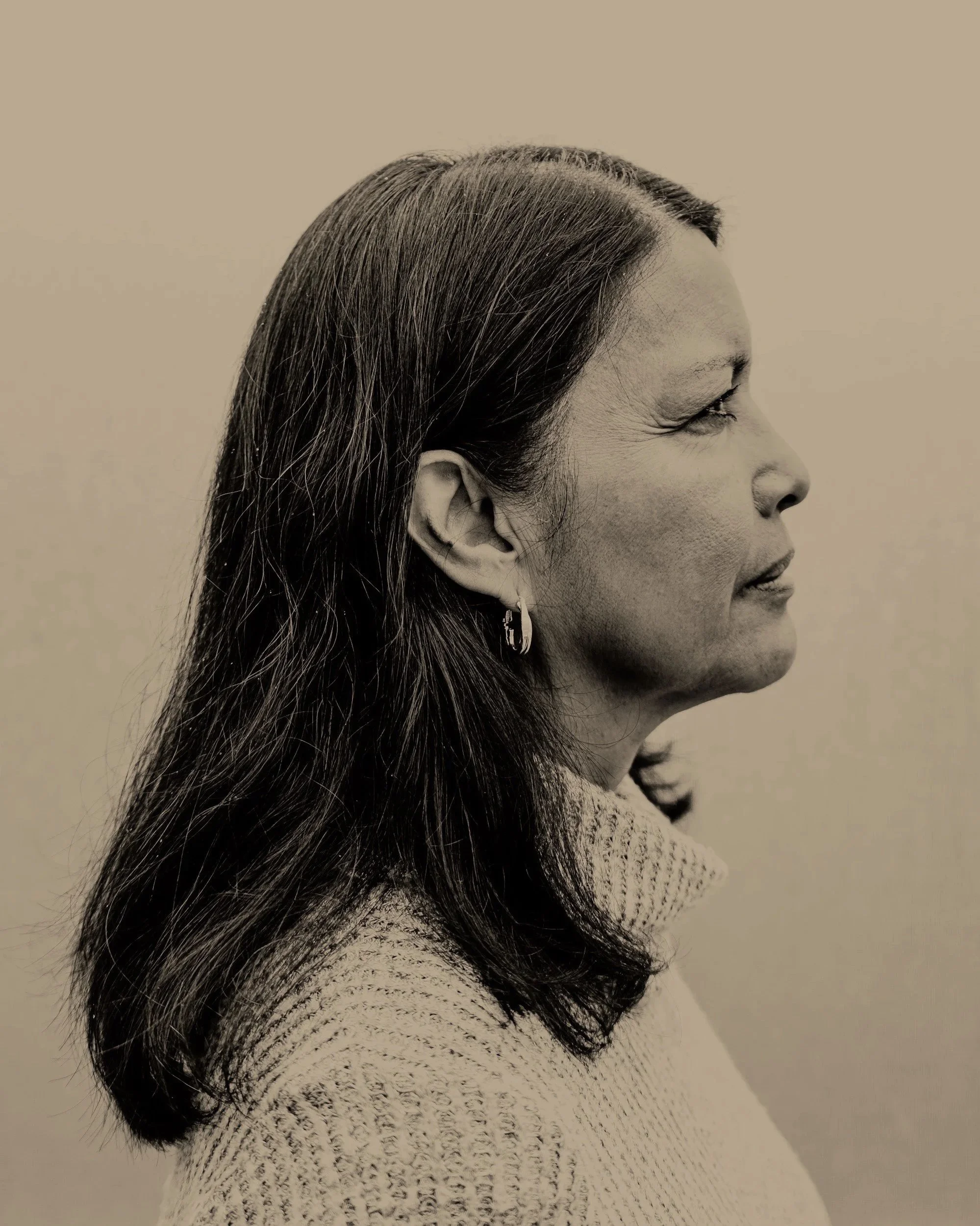
A woman entered the U.S. on a marriage-based visa. Over time, her spouse becomes emotionally and psychologically abusive—threatening to withdraw immigration paperwork, controlling finances, isolating her from friends, and using fear of deportation to maintain power.
Violence Against Women Act (VAWA) prevents someone’s immigration status from being used against them as a tool for control. It allows one to self-petition for legal status apart from their abusive U.S. citizen spouse. My report provides a compassionate and credible account of the client’s experiences to authorities—illustrating the impact of patterns of control, fear, and harm. The evaluation helps those experiencing abuse obtain independence, healing and legal protection.

A U.S. citizen father has a young son diagnosed with severe autism and epilepsy, requiring constant supervision, specialized therapies, and emergency care during seizures. The mother, who is the primary caregiver, faces deportation.
In Hardship Waiver cases, my clinical evaluation seeks to prove “extreme hardship” experienced by a U.S. citizen should their qualifying relative face deportation. I assess the social, cultural, financial, medical, and psychological factors experienced by the U.S. citizen, should their family face separation. Immigration Evaluations strengthen waiver applications and ultimately help keep families together. In more urgent cases, an evaluation may also used in Cancellation of Removal cases.

Someone is frightened to leave the U.S. because their trafficker threatens physical harm.
In cases of U Visas and T Visas, immigration evaluations help victims of many organized crime. My assessment serves as evidence that extreme psychiatric harm has been brought upon individuals forced into labor or sex trafficking.

For many immigrants, one evaluation can be the bridge between uncertainty and safety - between being separated and staying together. These clinical evaluations often hold the weight of a family or individual’s story — the trauma endured, the strength carried and the hope for a better future.
At Casa Hogar, we believe no one should have to prove their pain to the courts alone.
Yet, for many, the cost of an immigration evaluation is an impossible barrier. Your donation helps us offer low-cost and pro bono evaluations to individuals and families seeking safety, stability and a sense of home.

Make a donation.
Every story deserves to be heard. Every family deserves to stay together. Every survivor deserves a chance to heal.
Give today and be someone’s bridge to safety, stability and home.

Disclaimer: Casa Hogar is not a non-profit organization. Contributions are made to a for-profit business and are not tax-deductible as charitable donations. Contributions are used to cover the cost of immigration-related evaluations provided by Casa Hogar for individuals who cannot afford the full fee. Sponsorship does not guarantee services for any specific individual unless expressly agreed. Casa Hogar retains discretion over scheduling and provision of services.